

Sleep & Wellbeing
Inside the Science of Deep Rest, Creating a Bedroom That Actually Heals You
Quality rest is not an accident. It is a careful combination of environment, design, rhythm, and biology working together. Most people think rest comes from simply lying down, but the body responds to subtle cues, tiny sensory details, and the atmosphere you create around your sleep space.
A bedroom can drain you or it can heal you. The difference is in the science of how your mind and body react to texture, light, air, sound, and temperature.
At Starch Living, we believe your bedroom should feel like a sanctuary that restores you the moment you walk in. A place where softness, stillness, and comfort encourage deep recovery.
Your nervous system senses your room before you do
Before you even process what you see, your nervous system is already reacting to your environment.
Clutter creates alertness.
Harsh light increases cortisol.
Synthetic textures keep your body slightly tense.
On the other hand, soft natural fabrics, warm lighting, and open space encourage your body to shift into a calmer state. This matters more at night than at any other time.
A healing bedroom communicates safety and comfort without a single word.
Why natural fabrics support deeper rest
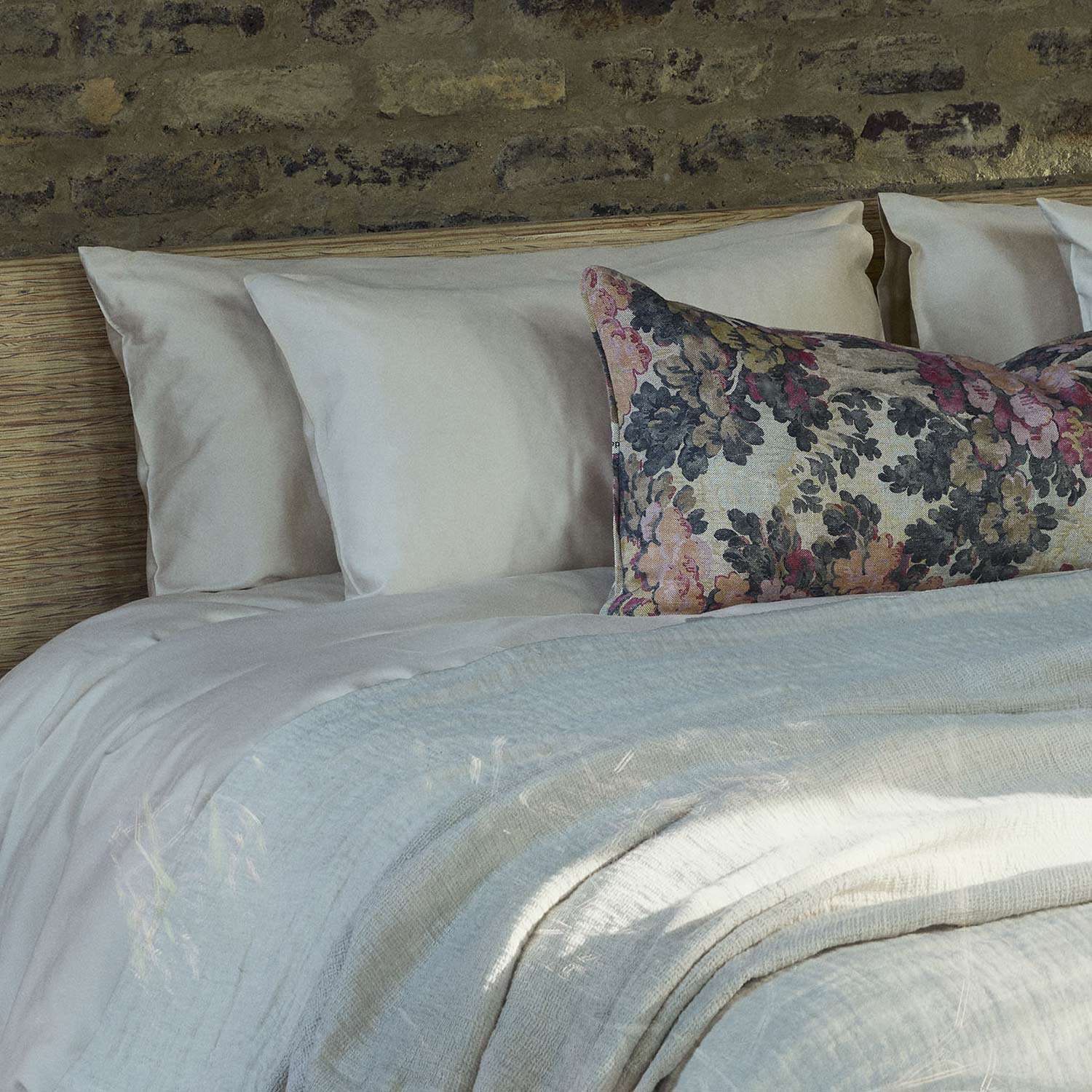
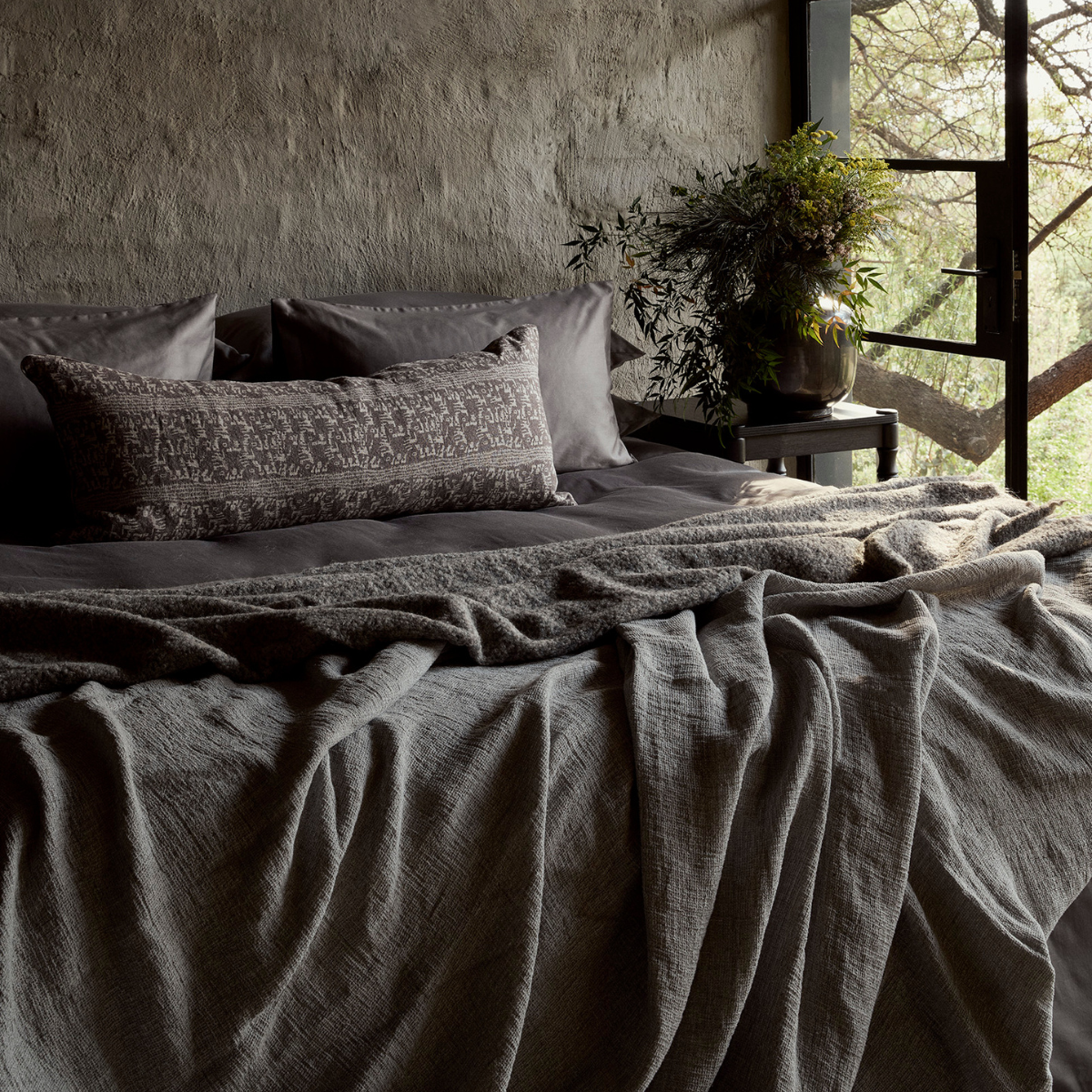
The body sleeps best when it feels grounded. Natural fibres like linen and cotton help regulate temperature, reduce irritation, and increase breathability during the night.
When your skin can breathe, your mind relaxes more easily.
When your bedding feels soft and natural, your heart rate slows faster.
There is a reason people sleep better in resort villas, coastal retreats, and countryside homes. It is not the location. It is the quality of the materials surrounding them.
The right fabric can lower stress without you even noticing it.
Light is the quiet controller of your sleep cycle
Your body relies on light to know when to rest.
Bright white bulbs, phone screens, and overhead lighting confuse your internal rhythm and delay melatonin release.
In a healing bedroom, lighting should feel warm, soft, and low. Table lamps, fabric shades, candle-toned bulbs, and diffused glow are more effective than any sleep supplement.
Even your morning light matters.
Gentle natural sunlight tells your body that it is safe to wake slowly rather than abruptly.
The power of scent and sound in calming the mind
Scent triggers your brain quicker than almost any other sense. Lavender, chamomile, sandalwood, soft florals, and earthy notes can help ease your nervous system into rest.
Sound also matters.
A quiet hum of air, gentle ambient noise, or complete stillness can help you drift into deeper cycles of sleep.
A healing bedroom uses sound and scent as gentle guides, not overpowering tools.
Temperature and airflow, the hidden secrets of restorative sleep
Your body drops in temperature when it prepares for rest. If the room is too warm or too still, your sleep becomes shallow and restless.
The ideal sleep temperature sits lower than most people expect.
Soft airflow, breathable materials, and a cool environment support deeper sleep waves.
This is why linen bedding is so effective. It works with your body instead of against it.
A healing bedroom feels fresh, balanced, and easy to breathe in.
Minimal design creates mental space
Healing does not happen in a room filled with noise, even visual noise.
A peaceful bedroom has:
• Fewer objects
• Clear surfaces
• Natural colours
• Soft textures
• Simple forms
• Room to breathe and think
Minimalism is not about empty space. It is about emotional clarity.
A clean room communicates calm to your mind in a way that is almost invisible but deeply felt.
Your bedroom should work with your biology, not interrupt it
When you combine natural fabrics, warm lighting, calming scents, cool temperatures, and minimal design, you create a bedroom that your nervous system recognizes as a place of safety.
And safety is the true key to deep rest.
Your body heals the most during sleep.
Your home should help you reach that state, not fight against it.
A final note from Starch Living
A healing bedroom is not about luxury for the sake of appearance. It is about creating a space that restores you physically and emotionally.
It is about textures that soothe you, light that calms you, and design that supports your natural rhythm.
Rest is not just sleep.
Rest is recovery.
And your bedroom is where that recovery begins.


Connect with us


