
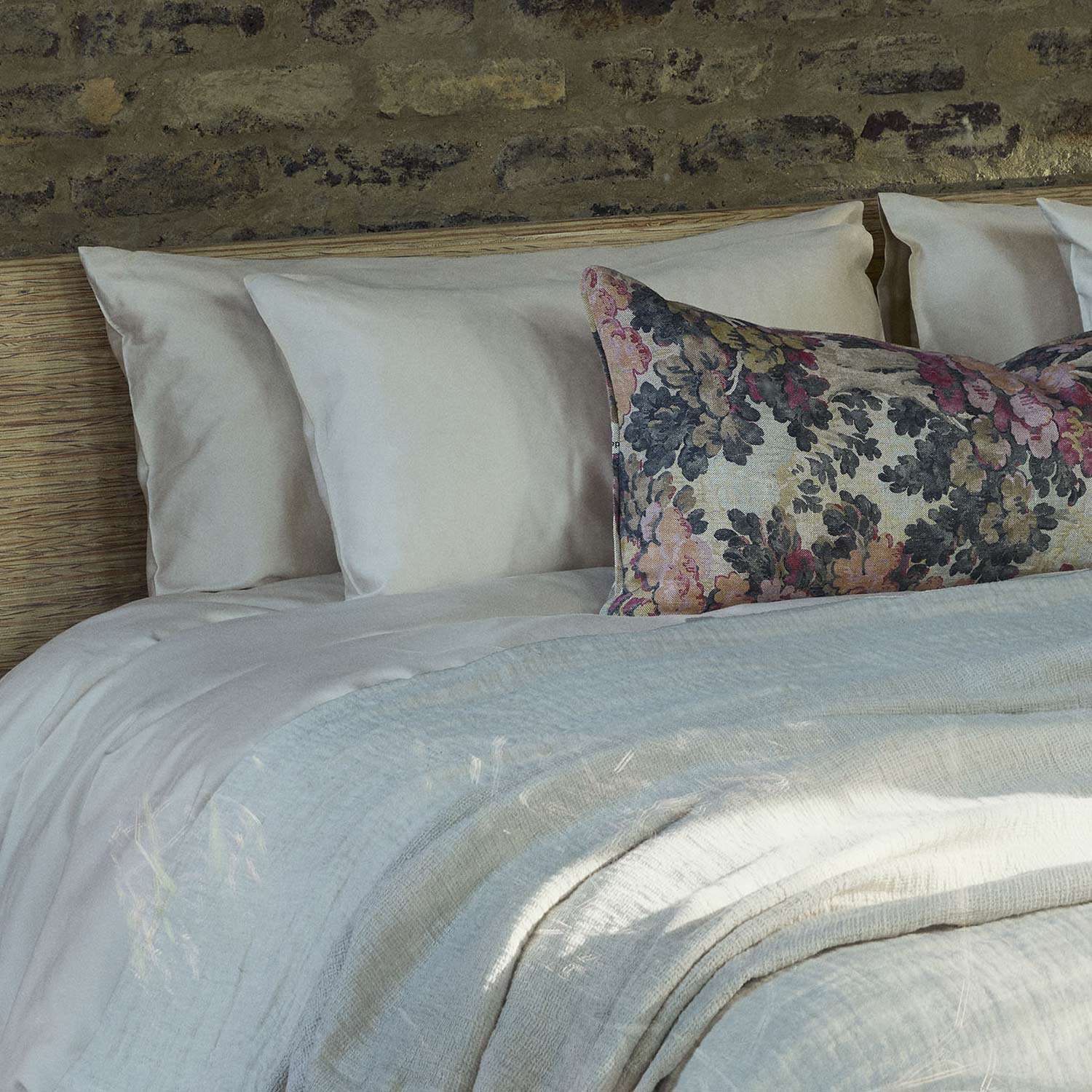


How scent, sound, and surface shape the energy of our homes, and the emotions we live within.
The spaces we inhabit do more than shelter us. They signal. They hold. They whisper instructions to our nervous system about how to feel, how to move, when to soften, and when to stay alert. And yet, most design conversations remain fixated on what the eye can see, colours, shapes, layouts. But the most profound design language is invisible.
It’s sensory. And it speaks in textures, tones, and traces.
The emerging field of neuroarchitecture confirms what our bodies have always known: the non-visual cues in a space, from acoustics to ambient scent, play a significant role in shaping emotional regulation, memory formation, and physiological calm. As neuroscientist and author Dr. Esther Sternberg explores in Healing Spaces, the spaces that feel most “peaceful” aren’t just minimal, they are multi-sensory compositions that reduce cognitive load and signal safety through subtler channels.
Let’s begin with scent.
Our olfactory system is directly wired to the amygdala and hippocampus, areas of the brain governing memory and emotion. Unlike sight or sound, scent bypasses conscious interpretation and creates immediate, emotional impact. This is why the smell of linen dried in the sun, or an old wooden drawer, can evoke memory in milliseconds. According to a study in Chemical Senses, a single scent can re-activate stored emotional experiences with 65% accuracy even after a year, higher than any other sensory trigger.
Layering scent in the home is an act of emotional architecture. Think beyond perfumed candles: consider how natural materials (linen, beeswax, cedar), fresh florals, cooking rituals, and essential oil distillation subtly scent the air over time. Fragrance becomes less of a product and more of a presence.
Sound, too, shapes our nervous system before thought can intervene.
Harvard Medical School research has shown that curated soundscapes, particularly those mimicking natural environments, reduce cortisol levels, improve sleep quality, and enhance mood. Silence, it turns out, is not the absence of sound, but the careful design of its companions. In the home, this means softening ambient noise through materials like fabric, wood, and stone. It means opening a window to let birdsong in. It means considering the sonic impact of a chair’s drag or a footstep on tile.
Even the weight of a linen curtain brushing against a wall can create a kind of sonic softness, barely audible, but tonally restorative.
Then, there is touch, the language of belonging.
In the home, this translates to materials that ask to be felt: textured ceramics, open-grain timber, crisp cotton, brushed linen. A study from the International Journal of Design found that tactility in home surfaces increased feelings of security and reduced emotional detachment, particularly among urban dwellers. We reach for softness when we want to feel grounded. We crave texture when we want to feel real.
This is not merely about aesthetics. It’s about energy ecology.
A sensory-designed home is one that modulates your emotional temperature. It doesn’t demand your attention, it diffuses it. It acts as both boundary and balm. It reminds you to be here, in this moment, with this scent, on this surface, hearing this silence.
And crucially: it’s personal. There is no universal “formula.” Some people rest better with the scent of lavender, others with neroli. Some find silence uncomfortable until it’s been softened by warmth. The art lies in learning the rhythms of your own nervous system and designing for your own sense of enough.
STARCH lives in this terrain, the subtle, the tactile, the atmospheric. A home made slow is not just styled, it’s. Felt. It’s Inhaled. It’s Heard. It’s a space where the invisible becomes the most powerful thing of all.

Connect with us


