
Craftsmanship & Materials
Behind the Weave: The Makers Preserving Traditional Textile Techniques
In an age shaped by speed, efficiency, and constant movement, the art of handweaving stands quietly apart. It is slow. It is deliberate. It is deeply rooted in human touch. Every textile created by a skilled artisan carries far more than its design. It holds history, culture, patience, and the subtle rhythm of hands that move with purpose.
Across the world, there are communities that continue to protect ancient weaving traditions. They work with simple tools. They dye yarns using natural pigments. They create patterns that carry meaning. At Starch Living, we believe these artisans represent the heart of true craftsmanship. Their work reminds us that the most meaningful objects are often the ones made slowly.
The language of the loom
For generations, weaving has been a language spoken through movement. A weaver sits at their loom. Threads are stretched. The shuttle glides. The wooden frame creaks softly. There is a rhythm to the process, similar to breath or heartbeat. The loom becomes an extension of the maker, and the textile becomes an expression of their skill.
Handwoven pieces contain details that machines cannot replicate. The slight variation in tension, the organic flow of thread, the tiny irregularities that occur naturally. These details give the fabric personality. They remind us of the maker’s presence in every inch of cloth.
To touch a handwoven textile is to feel a conversation between the artisan and the material.
Natural fibres as the foundation of tradition
Traditional weavers choose fibres from the land around them. Linen spun from flax. Cotton harvested from local fields. Wool gathered from regional farms. Hemp and jute dried in the sun. These fibres connect the craft to the environment in a meaningful way.
Natural materials bring unique qualities, they breathe, they soften, they carry warmth, and they develop character over time. When woven by hand, they transform into pieces that feel alive, evolving with use and becoming even more comforting with age.
This connection to nature is one reason why handmade textiles bring such calmness into a home. They feel real. They feel rooted.
Communities built around craft
In many regions, weaving is more than a profession. It is a shared identity. Entire communities contribute to the creation of each textile. Farmers prepare the raw materials. Spinners twist the fibres. Dyers create colours using plants, bark, clay, and minerals. Weavers then bring everything together thread by thread.
This process supports local economies, preserves ancestral skills, and strengthens community bonds. Every textile becomes a reflection of many hands and many stories. It is a piece of cultural memory that continues to live through modern homes.
Patience woven into every thread
Handweaving is a slow art. Some patterns require days of focused work. Others take weeks or months to complete. The maker moves with intention. Each pass of the shuttle adds another layer of time and care.
This patience gives handwoven textiles a presence that is hard to describe. They carry the energy of someone who sat quietly, worked steadily, and gave their attention to every detail. In a world that rushes toward the next moment, these textiles remind us of the beauty found in staying with one task.
The emotional warmth of handmade textiles
When you place a handwoven throw across a chair or lay a linen cloth across a table, something changes in the room. The space feels softer, more personal, and more authentic. Handmade textiles bring emotional warmth because they carry human intention.
They do not feel sterile or manufactured. They feel familiar, comforting, and full of story. Their texture catches light differently. Their patterns create gentle movement. Their softness invites touch and presence.
This is why interior spaces that feature artisan made textiles feel instantly grounded. They carry the quiet honesty of the maker.
The role of texture in calming a home
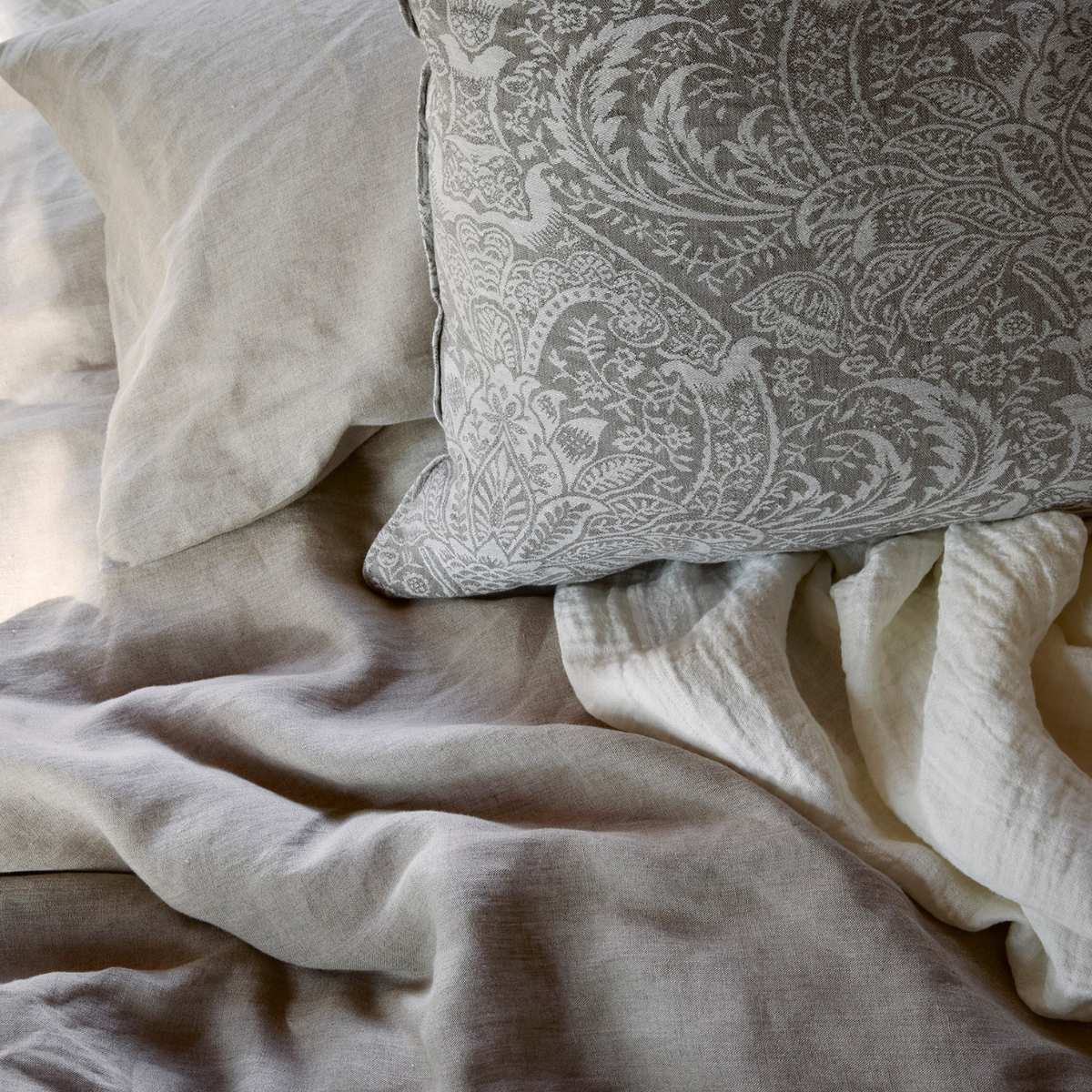
Texture plays a significant part in shaping how we feel in our environment. Handwoven fabrics create a sense of depth that smooth, mass produced textiles cannot achieve. The slight unevenness of the weave, the layering of fibres, and the natural variation in colour all contribute to a calming atmosphere.
These textures encourage slower movement. They make rooms feel more inviting. They turn a simple corner into a place of rest.
Protecting the future of traditional weaving
Although weaving traditions have survived for centuries, they face new challenges in a world dominated by rapid production. Younger generations may choose faster careers. Machine made alternatives often overshadow handmade work. Yet, there is a growing global appreciation for artisanal craft.
Designers, collectors, and conscious homeowners are beginning to understand the emotional and cultural value of handmade textiles. Supporting artisan communities ensures that these traditions continue to thrive, giving future generations access to the knowledge and beauty of slow craft.
A final note from Starch Living
Behind every handwoven textile is a journey, a story, a pair of hands, and hours of focused care. These pieces remind us to slow down, honour craftsmanship, and surround ourselves with objects that bring meaning into our lives. In a home shaped by natural materials and human skill, comfort feels deeper and more grounding.

Connect with us


