

Craftsmanship & Materials
Natural vs Synthetic: What Truly Changes The Feel of A Home
Walk into any space and you will feel its materials before you even notice them. The softness of a rug, the warmth of timber, the cool touch of stone, the breathability of fabric, all of these shape your first impression. They influence your comfort, your mood, and your sense of ease. The difference between natural and synthetic materials goes far beyond appearance. It affects how a home feels, how it ages, and how it supports your wellbeing.
At Starch Living, we believe the materials you surround yourself with should bring calm and clarity into your everyday life. This is why natural materials continue to stand apart. They carry a warmth and honesty that synthetic materials struggle to imitate.
The emotional weight of natural materials
Natural materials connect with us in a deeper way. Timber feels grounding. Linen feels comforting. Wool brings warmth. Stone creates stability. These materials come from the earth, and that origin is something our senses recognise instantly.
Spaces filled with natural textures feel more human. They carry softness, warmth, and depth. They encourage slower movement and quieter thinking. Synthetic materials often feel flat or overly uniform, which can make a room feel cold.
Natural materials bring life into a space.
How breathability influences comfort
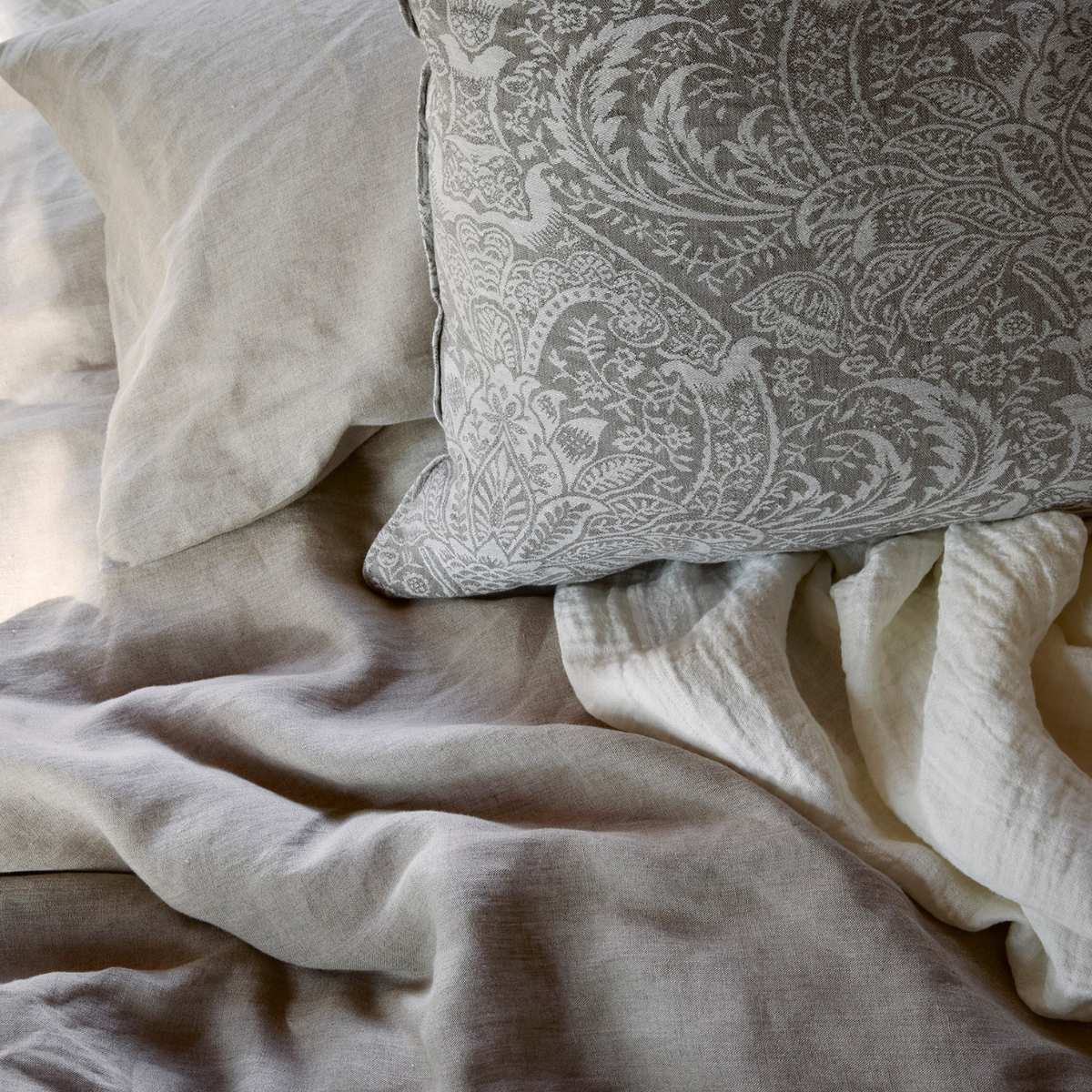
One of the biggest differences between natural and synthetic materials is breathability. Linen, cotton, wool, and other plant or animal based fibres allow air to move freely. They absorb moisture, release it gently, and help regulate temperature.
Synthetic materials trap heat and moisture. They create still air pockets that make a room feel stuffy. Furniture upholstered in synthetics often warms too quickly. Bedding made from synthetics can feel clammy. These sensations keep your body on alert, even if you do not realise it.
Breathable materials create an environment that feels fresh and calming.
The way materials age affects how your home feels
Natural materials age gracefully. Timber darkens with sunlight. Linen softens with washing. Clay develops subtle patterns. Stone becomes smoother over time. These changes feel warm and familiar, like the gentle aging of something you love.
Synthetic materials often age in the opposite way. They fade unevenly, crack, pill, or wear down without softness. Instead of gaining character, they often lose it.
When a material improves with time, it makes the home feel more cared for and more comfortable.
Texture that tells a story
Touch influences emotion. Natural fibres and surfaces have slight irregularities that reflect their origin. Linen has gentle slubs. Wool has soft variation. Timber has grain patterns. Stone has veins. Clay has ridges.
These textures tell a story. They bring authenticity. They create visual softness. Synthetic materials tend to be perfectly smooth or patterned in a repetitive way. They lack depth and therefore lack emotional resonance.
A room with natural textures always feels more welcoming.
Craftsmanship becomes more meaningful with natural materials
Artisans often prefer natural materials because they respond well to handwork. Carving wood, shaping clay, weaving linen, forming wool, these processes highlight human skill and intention.
Synthetic materials are difficult to work with by hand. They are better suited for machines, which removes the sense of connection between maker and material.
When your home includes items made by hand, using natural materials, it carries the warmth of human touch.
Sustainability and longevity
Natural materials typically require fewer chemicals, less processing, and less energy to produce. They last longer and can often return to the earth without harm.
Synthetic materials rely on petroleum, heavy chemical treatments, and manufacturing processes that impact both air and water quality. They break down slowly and often end up as waste.
Choosing natural materials supports a cleaner home environment and a gentler footprint.
How material choice shapes the atmosphere of your home
A home filled with natural materials feels calm. It encourages rest. It supports wellbeing. The textures invite touch. The colours feel soft and grounding. The atmosphere becomes warm and comforting.
Synthetic materials can make a home feel cold or overly modern. They often create an emotional distance between you and your environment.
Your home should support you. Natural materials help it do exactly that.
A final note from Starch Living
The materials in your home affect your comfort more than you realise. Natural materials bring depth, breathability, calmness, and character. They age gracefully and offer a kind of quiet luxury that enhances daily life.
Your home is where you rest, recharge, and find clarity. Choosing materials that feel real makes all the difference.

Connect with us


