
Craftsmanship & Materials
Hand Dyed To Hand Finished: The Quiet Craft Of Modern Linen
Linen is one of the oldest fabrics in the world, yet it feels more relevant now than ever. In an age of fast production and synthetic blends, linen stands apart as a material shaped by nature, time, and the hands of skilled makers. Its texture, breathability, and gentle imperfections give it a sense of soul that modern homes crave.
From the moment flax seeds are planted to the final hand finished edges on a linen sheet, the journey is slow, intentional, and deeply rooted in craftsmanship. Modern linen may feel simple, but the process behind it is anything but. It is a quiet craft, shaped by patience, touch, and a commitment to natural beauty.
Linen begins in the field
Linen is born from flax, a humble plant with slender stems and delicate flowers. Unlike many industrial crops, flax does not require heavy processing or excessive chemicals. It grows easily, moves gently with the wind, and carries a natural resilience.
When harvested, the stems are dried and softened through traditional retting techniques. Sun, moisture, and time work together to separate the fibres. Nothing about this process is rushed. Each step is influenced by the climate, the land, and the understanding of the farmer.
This connection to the earth is what gives linen its honest, grounded feel.
The art of spinning and softening
Once the long fibres are extracted, they are combed, aligned, and spun into yarn. This is where the craft deepens. Skilled spinners use practiced hands to maintain tension and consistency. Their work determines how the fabric will behave, how it will drape, and how it will feel against the skin.
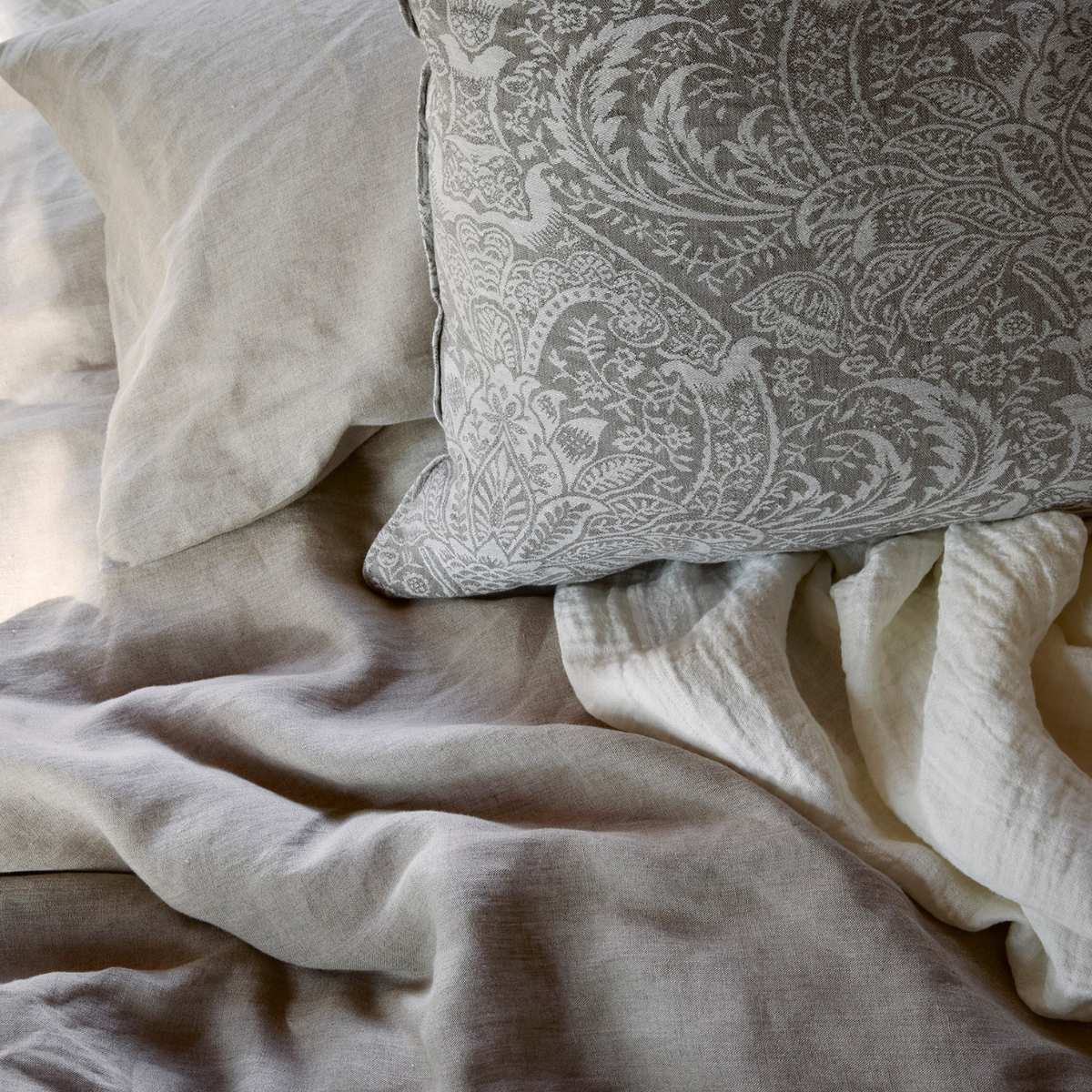
The yarn is then softened through washing, tumbling, and stretching. These steps transform the raw fibre into something gentle and inviting. Linen becomes softer with every treatment, and even more so with every wash once it enters the home.
This softness is part of its charm. Linen improves through living.
Natural dyes that bring the fabric to life
Many artisan makers choose to dye linen using natural pigments. Earth, clay, minerals, leaves, bark, roots, and flowers can all create rich, muted tones. These colours have depth and movement. They shift slightly with the light, giving each piece its own personality.
Natural dyes do not create perfect uniformity. Instead, they create beauty that feels organic. Subtle variations remind us that the fabric was touched by nature, not by chemicals.
This approach gives modern linen its warm, calming palette.
Weaving with intention
Linen’s weave determines its character. Loose weaves create airy, lightweight fabric ideal for summer bedding and drapery. Tighter weaves offer warmth, structure, and durability. Artisans work on traditional looms, guiding the shuttle back and forth, building the fabric slowly and steadily.
The process is rhythmic. The loom clicks. The yarn tightens. Patterns emerge with patience. This kind of weaving is both skillful and meditative. It is craft in its purest form.
Handwoven linen carries a presence you can feel in your fingertips.
Finishing touches that reveal the maker’s hand
The final steps of linen making are where craftsmanship is most visible. Edges are sewn or hemmed by hand. Seams are reinforced. Folds are pressed. Every detail is checked for quality. Each piece is treated as something personal.
These touches give linen a sense of intimacy. You can feel the maker’s care in the softness of the fold and the clean, simple line of a hand finished edge.
In a world filled with mass production, these details are a quiet luxury.
Why modern homes crave linen
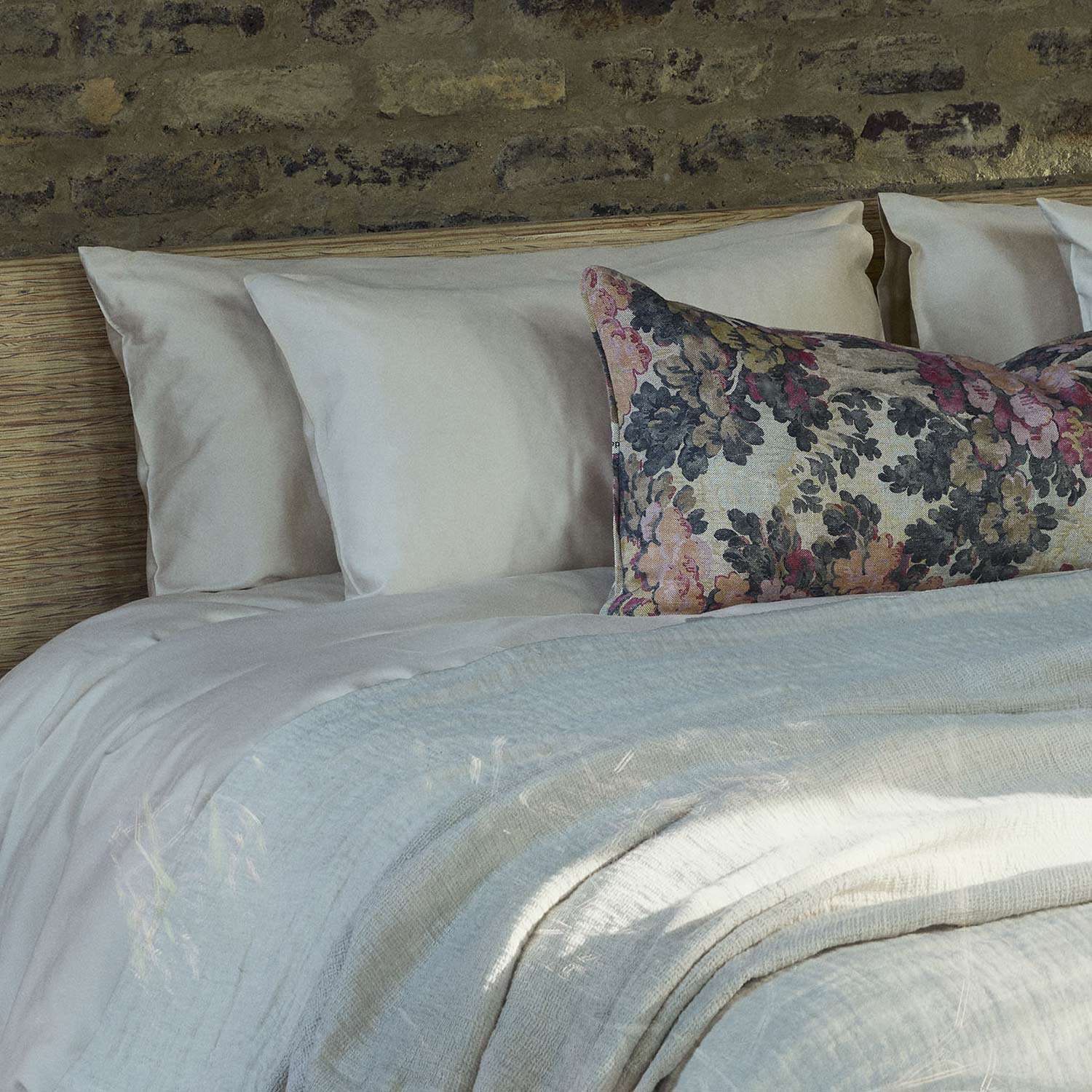
Linen brings warmth and honesty into a space. It softens harsh lines, cools warm rooms, filters light beautifully, and creates an atmosphere that feels natural and lived in. It does not try to be perfect. Its wrinkles are part of its charm. Its texture makes rooms feel peaceful.
People choose linen because it feels calm. It breathes. It grounds. It connects the home to natural rhythms.
Linen is more than a fabric. It is a reminder that slow living is not about doing less, but about choosing better.
A final note from Starch Living
Modern linen carries the wisdom of centuries and the touch of human hands. It brings the softness of nature into your home and reminds you of the beauty found in slow, thoughtful craftsmanship. It is a material that ages gracefully, comforts deeply, and invites calm into your everyday life.
Connect with us


