
Craftsmanship & Materials
The Material Palette of 2025: Soft Neutrals, Textured Woods, and Honest Finishes
Every year brings new ideas in interior design, but 2025 has taken a gentle turn. Instead of bold statements and overly polished surfaces, this year celebrates softness. Calm colours, raw textures, and natural finishes are becoming the foundation of modern homes. It is a shift driven by people seeking comfort, quiet, and authenticity in the spaces where they rest.
The homes of 2025 feel grounded, warm, and human. They prioritise materials that age well, breathe easily, and offer emotional ease. These choices are not about trends. They are about creating a daily environment that feels soothing, tactile, and deeply real.
Soft neutrals as the new expression of warmth
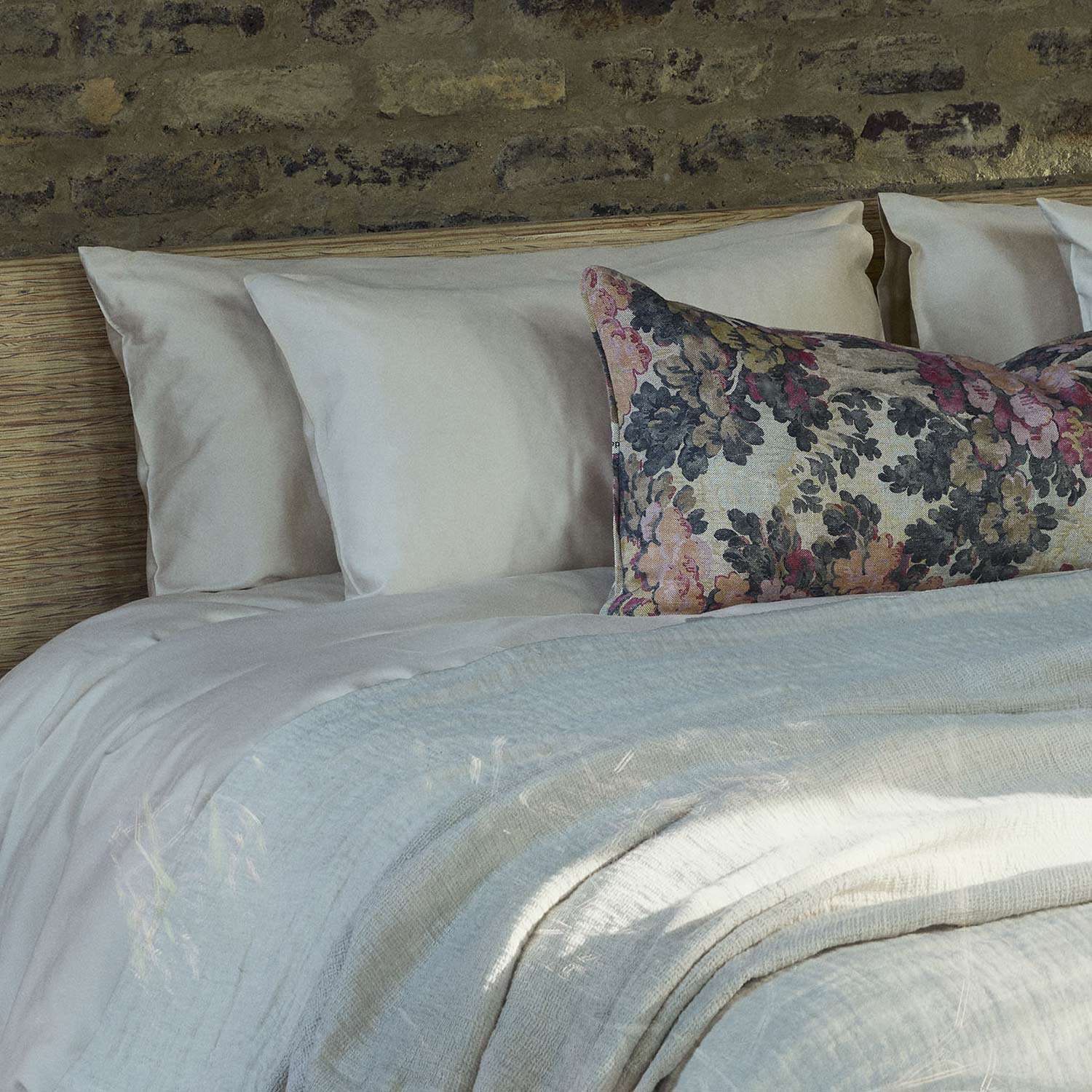
Neutral palettes have always held a certain elegance, but the neutrals of 2025 carry more depth. They are warmer, earthier, and closer to natural tones. Think soft sand, warm clay, oat beige, stone grey, and muted linen white. These colours make rooms feel gentle and welcoming.
Soft neutrals work beautifully in any space because they do not overwhelm. They provide a calm backdrop that allows natural light to move freely and textures to stand out. Homes feel softer, quieter, and more balanced when anchored in these tones.
Textured woods that create emotional connection
Timber remains one of the most beloved materials in design, and this year it is all about texture. Instead of glossy finishes, designers are choosing woods with visible grain, brushed surfaces, and matte treatments that highlight their natural character.
Oak, ash, walnut, and reclaimed woods are appearing in furniture, flooring, and architectural details. Their presence adds warmth and a sense of grounding. These woods remind us that beauty can be simple, and that natural imperfections make materials more comforting, not less.
Honest finishes that honour the material itself
2025 has embraced finishes that feel true to the material. Instead of coating surfaces to look flawless, designers are letting raw textures shine. Stone is left with its natural veining. Clay is shaped into sculptural forms without excessive polish. Metal is brushed to reveal character rather than shine.
This honesty brings a richness that polished surfaces cannot imitate. It feels calm, reassuring, and timeless. Homes become places where materials feel alive instead of artificial.
The rise of tactile surfaces in everyday living
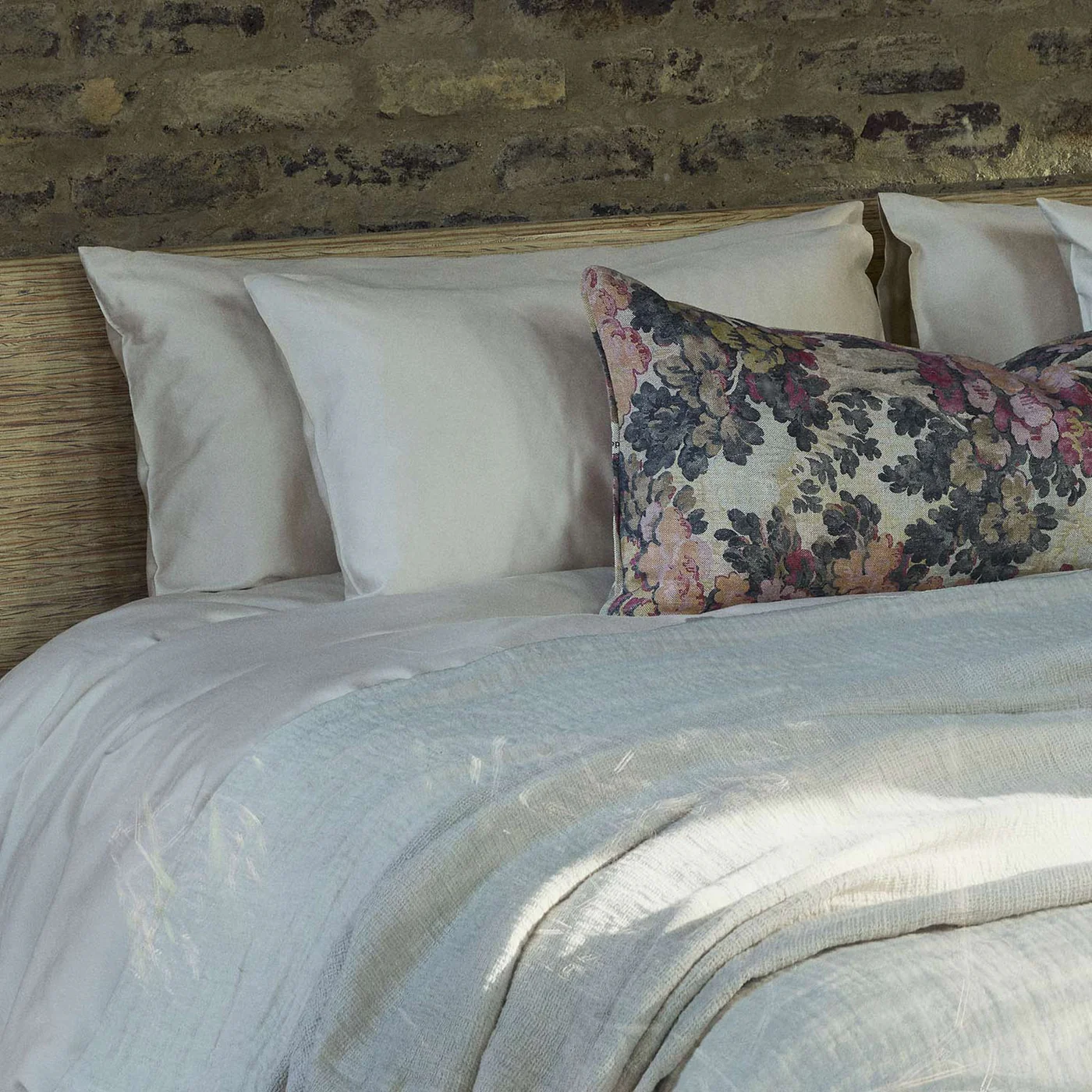
Texture is playing a major role in how people shape their spaces. Suede look upholstery, woven headboards, handcrafted ceramics, ribbed stone, linen drapery, and wool blend cushions are becoming essentials. These tactile elements create warmth and depth without clutter.
Touch influences how we feel more than we realise. When the materials in a room invite contact, your nervous system responds with ease and comfort.
Natural fibres becoming central to home design
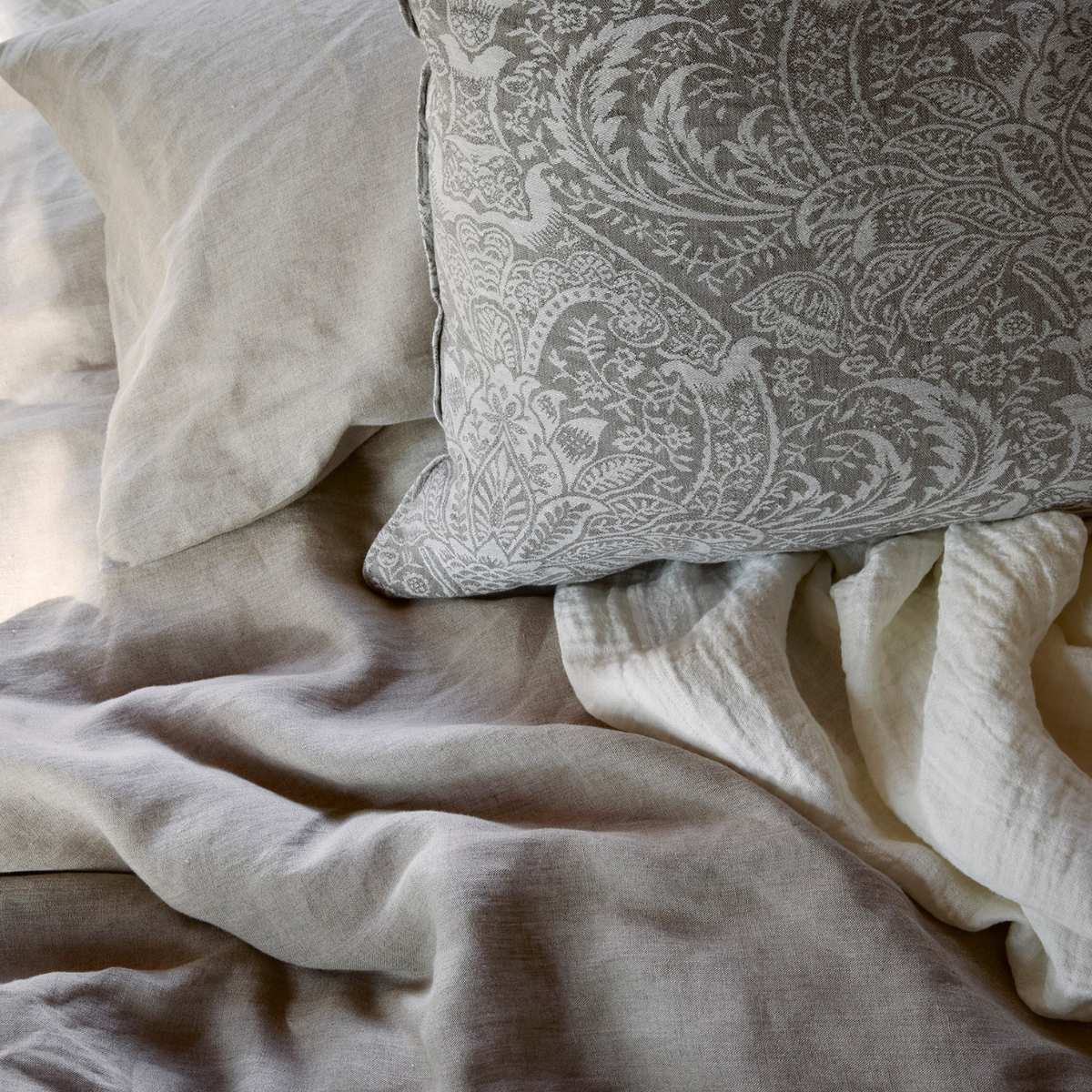
Natural fabrics are no longer limited to bedding and blankets. In 2025, designers are using linen, cotton, hemp, and wool in nearly every corner of the home. Drapery that floats lightly in the breeze. Upholstery that feels soft and breathable. Throws that add texture without heaviness.
These fibres help regulate temperature, improve air quality, and create a sense of tranquility. They bring softness to spaces that might otherwise feel flat or cold.
Stone as a grounding force
Stone is another material taking center stage this year. Travertine, limestone, soapstone, and marble are being used in ways that highlight their natural beauty. Their patterns add subtle movement to interiors. Their weight brings stability. Their cool touch creates balance against warm woods and soft textiles.
Stone speaks to permanence and calm. It anchors a room with quiet strength.
Craftsmanship over mass production
People are seeking items with character, story, and human touch. This is why handcrafted pieces are becoming more valued. Handmade pottery, custom wood furniture, artisanal rugs, and small batch textiles are replacing mass produced decor.
Craftsmanship makes a home feel thoughtful. It adds meaning and warmth that cannot be replicated by factory production. These pieces stand the test of time because they are made with intention.
Why this palette feels right for the moment
Homes are becoming sanctuaries. People are craving softness, stability, and comfort. The material palette of 2025 reflects this need. Every texture, colour, and finish encourages rest. Every choice creates a space where the mind can settle.
This palette is not just design direction. It is a cultural shift toward living gently, surrounding ourselves with materials that soothe us, and celebrating the beauty of simplicity.
A final note from Starch Living
The best materials are the ones that feel good to live with. Soft neutrals, textured woods, raw finishes, and natural fibres create spaces that support your wellbeing. They remind us that comfort is a material, and calm is a design choice.
Connect with us


