
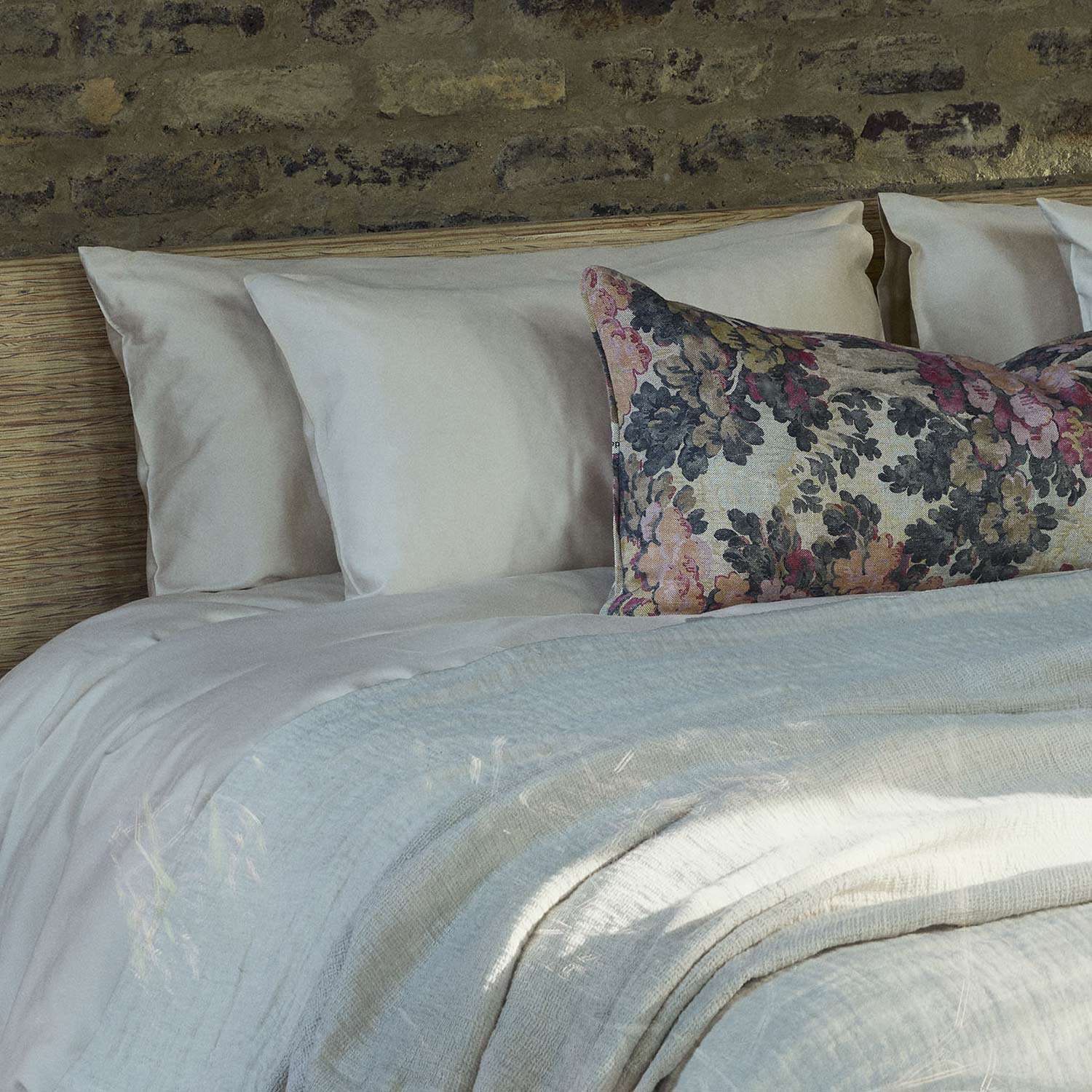
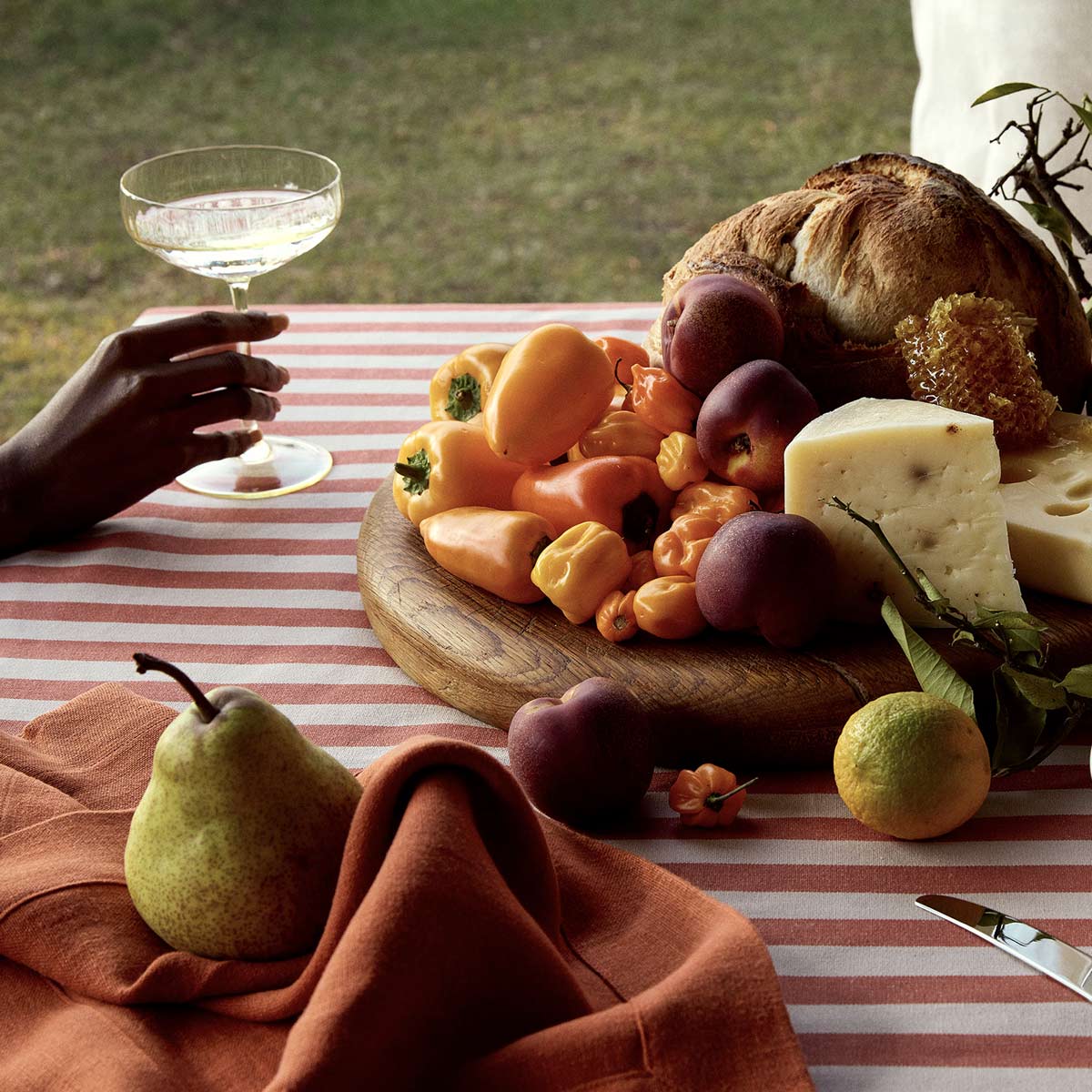
Why the most radical act in a fast world is to let dinner take all day.
In a culture obsessed with speed, fast food, fast answers, fast gratification, choosing to eat slowly has quietly become a form of modern luxury. Not the loud luxury of excess, but the soft opulence of time, attention, and ritual. Slow dining is not nostalgia. It is a recalibration. A return to the idea that nourishment is not merely functional, but deeply sensory, social, and sacred.
Historically, almost every meaningful cuisine on earth was born from patience. Sourdough fermentation takes days. Bone broths simmer for hours to extract collagen, minerals, and flavour. Traditional ragùs evolve over long, low heat, allowing proteins to soften and sugars to caramelise naturally. Before refrigeration, preservation techniques, curing, pickling, fermenting, were acts of necessity that accidentally created some of the world’s most complex flavours.
Modern science now validates what tradition always knew. Fermented foods such as kimchi, kefir, and sourdough have been shown to improve gut microbiome diversity, a key factor in immune function and mental health, according to research published in Cell (Stanford University, 2021). Slow cooking breaks down connective tissue and increases bioavailability of nutrients, making food easier to digest and more nutritionally dense. Time, it turns out, is an invisible ingredient.
But slow dining is not only about physiology. It is about psychology, mood, and memory.

Studies from Oxford’s Crossmodal Research Laboratory show that the environment in which we eat lighting, table texture, sound, even the weight of cutlery, alters our perception of taste and satisfaction. A softly lit table with tactile materials encourages slower chewing, deeper flavour perception, and greater satiety. In other words: how we eat shapes what we experience.
This is where the home becomes the theatre of slow opulence.
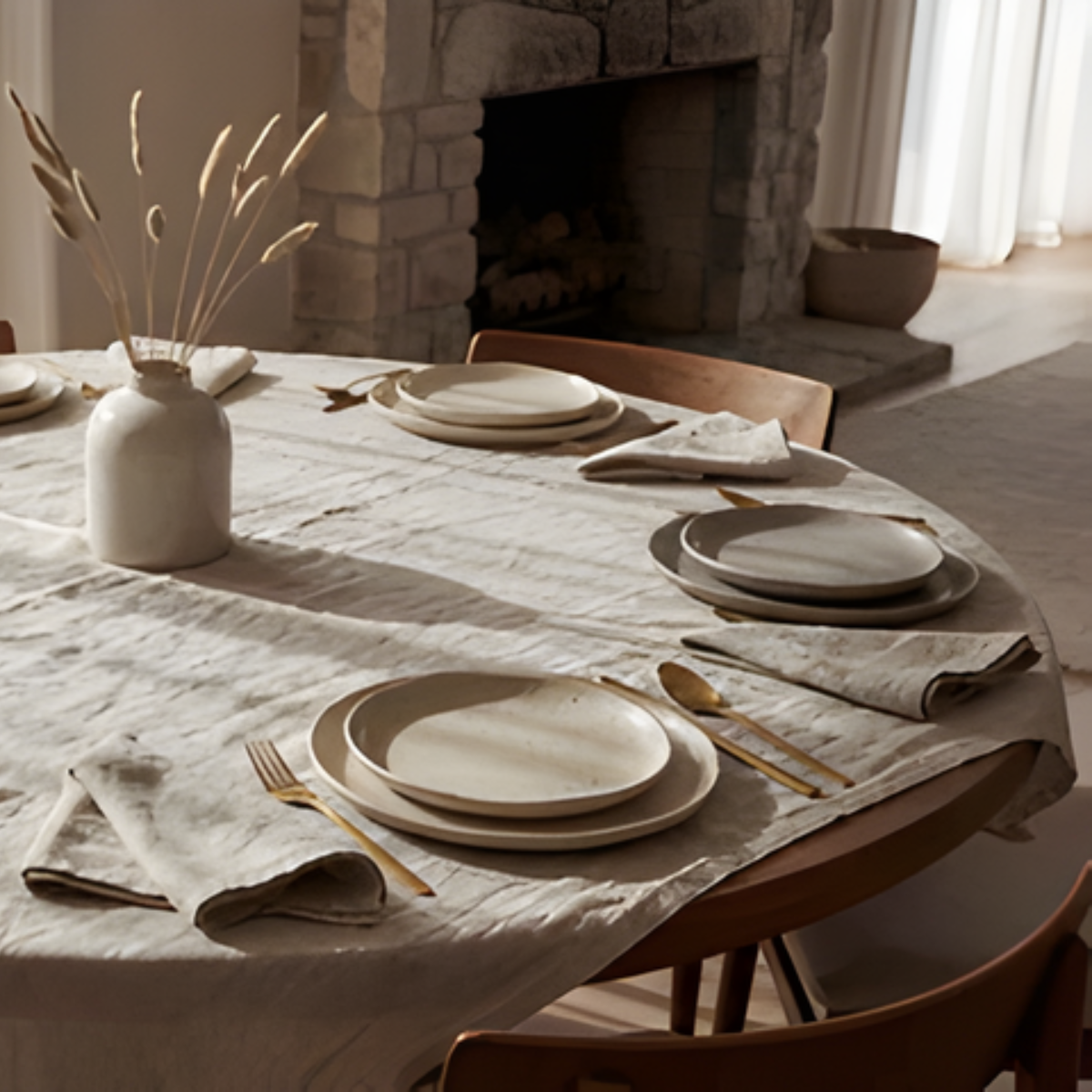
A linen tablecloth absorbs sound, softens light, and anchors the ritual of gathering. Ceramic plates retain warmth. Natural fibres invite touch. A well-set table becomes a sensory composition, not decoration, but atmosphere. Dining becomes ceremony rather than transaction.
Across Europe, long lunches remain cultural architecture rather than indulgence. In Italy, the traditional pranzo lungo reinforces social cohesion and digestive health. In France, UNESCO formally recognised the “gastronomic meal of the French” as intangible cultural heritage not for the food alone, but for the structured ritual of preparation, tableware, pacing, and conversation. Time is the main course.
In contrast, the average modern meal now lasts under 15 minutes often consumed while scrolling, standing, or commuting. Neuroscientists warn this fragmented eating disrupts digestion and blunts dopamine regulation, reinforcing a cycle of overstimulation and dissatisfaction. Fast food is not merely nutritional compromise; it is temporal deprivation.
Slow dining reintroduces the missing variable; presence! It invites us to cook fewer things, better. To choose ingredients with provenance. To honour seasonality. To allow food to unfold rather than perform. It restores the pleasure of anticipation, the scent of bread rising, the slow release of herbs into oil, the ritual of setting a table with intention.
The beauty of slow dining is that it does not require extravagance. A simple stew, prepared thoughtfully, shared generously, eaten attentively, becomes quietly luxurious. This is slow opulence: richness without excess, beauty without noise, abundance without urgency.
Much like linen, which softens with washing and improves with age, slow dining reveals its depth over time. The more you practice it, the more nuanced your senses become. Taste sharpens. Patience expands. Conversation deepens. Meals become memory.
In a world accelerating toward abstraction and automation, the table remains profoundly human. It anchors us in the physical, the communal, the real. It reminds us that the best things in life are not downloaded; they are cultivated.
Time, after all, is the rarest ingredient we have left.
Connect with us


