

Culture & Living
The New Social Home: How Soft Spaces Are Changing The Way We Gather
The way we gather is changing. People are moving away from loud, crowded environments and seeking spaces that allow deeper conversation, gentler energy, and a feeling of connection that does not compete with noise. The modern social home reflects this shift. It prioritises comfort, softness, and warmth, creating an atmosphere where guests feel instantly welcomed.
Instead of designing homes for show, people are designing them for presence. For shared meals, slow evenings, and moments that feel real. This is the new social home, shaped by intention rather than performance.
Warm textures create open conversations
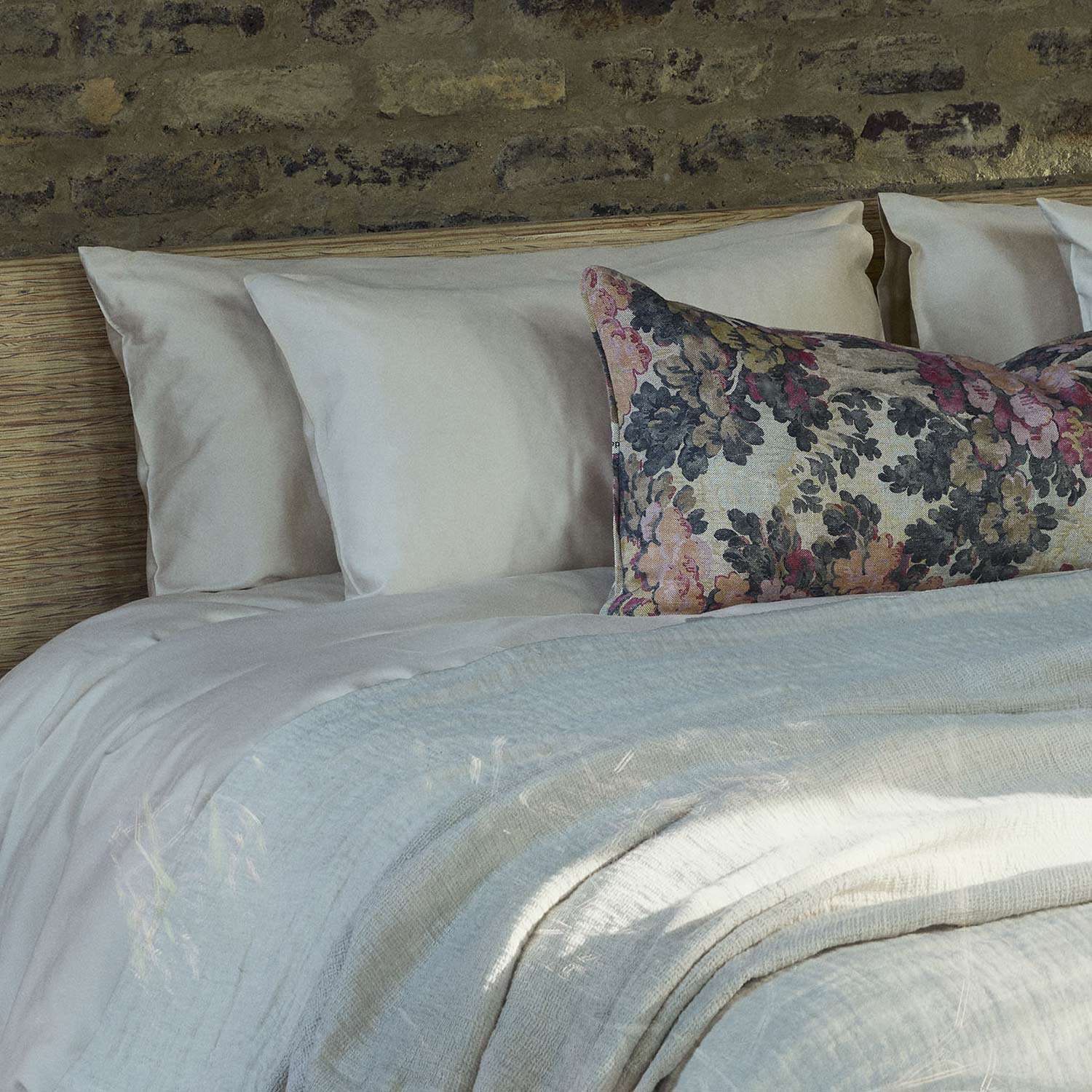
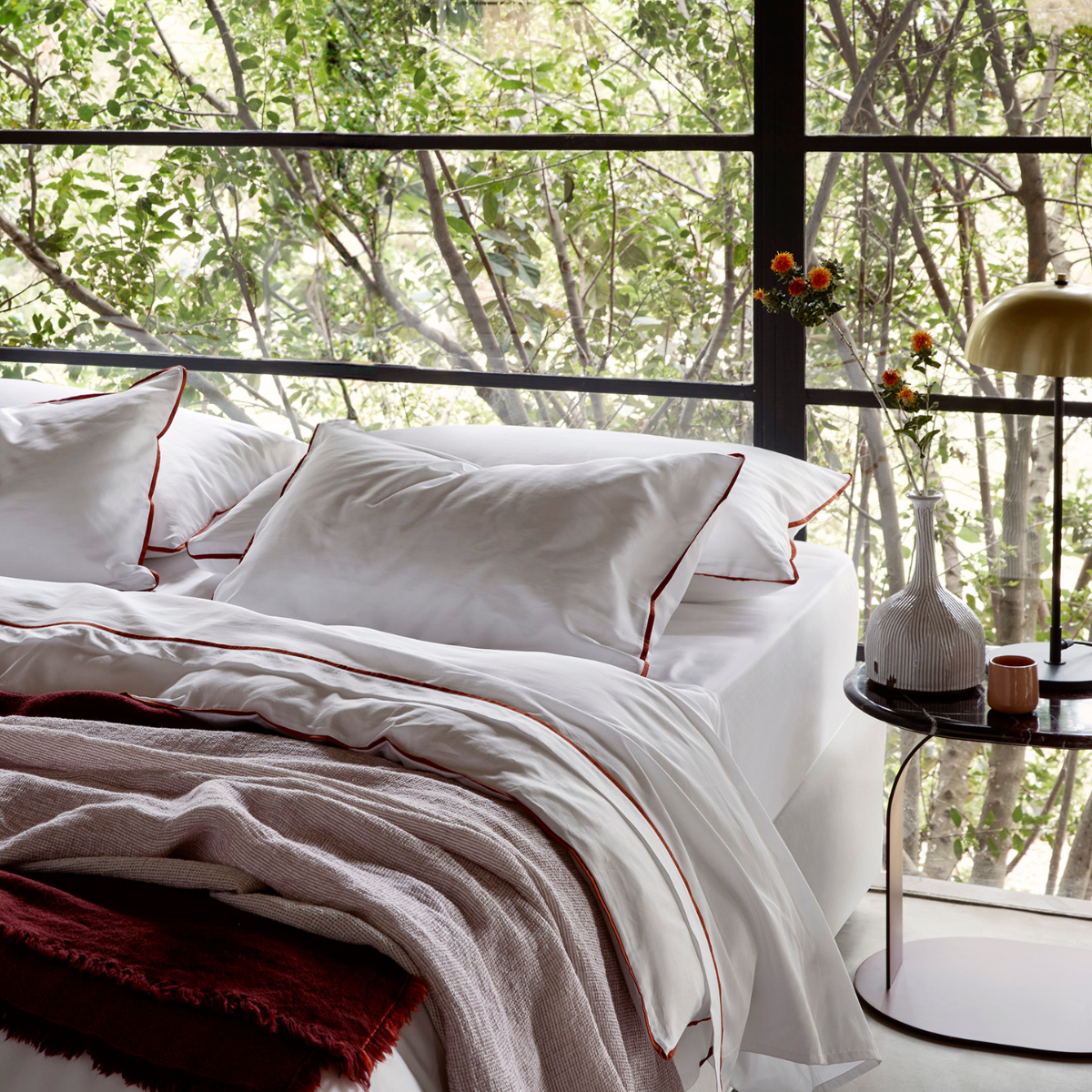
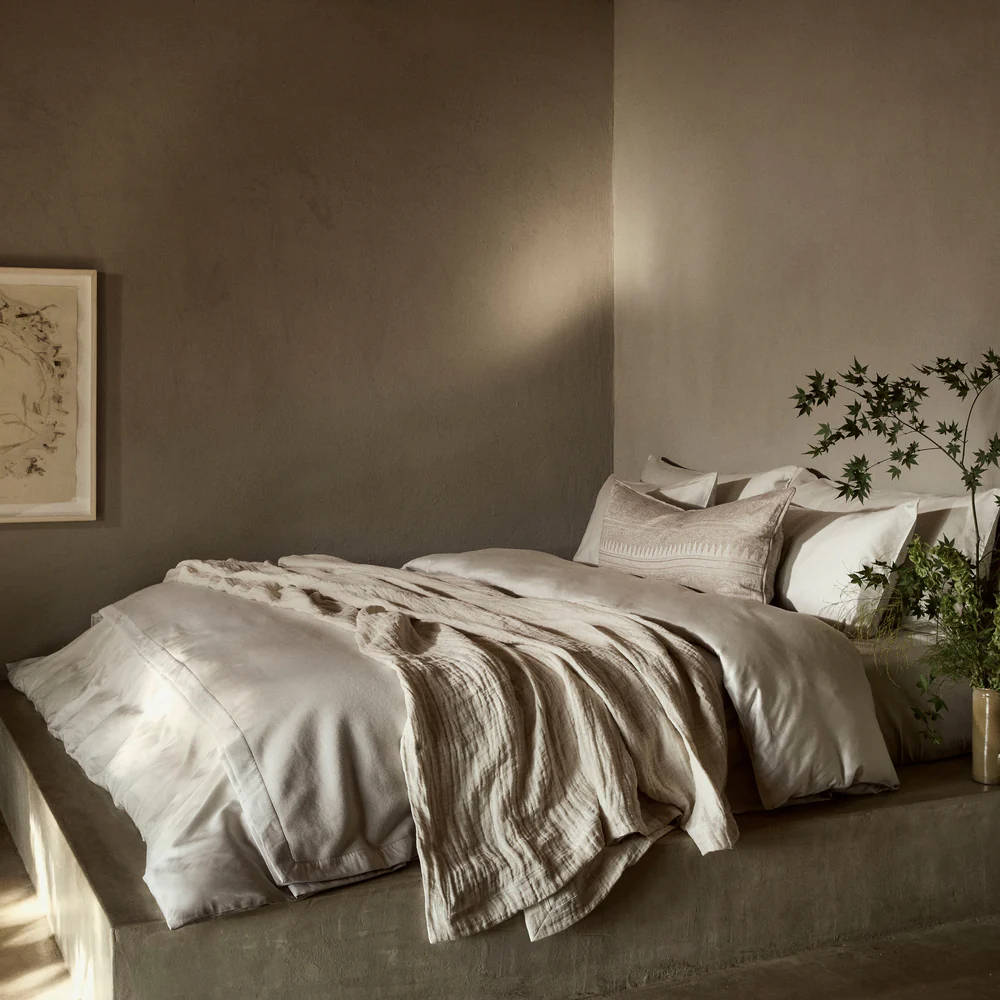
The most welcoming rooms are often the simplest. Linen sofas, wool throws, timber tables, and handcrafted ceramics all work together to create an environment where people relax naturally. When a space feels soft to the touch, it invites soft behaviour. Guests sink into cushions, slow their speech, and feel more at ease.
Texture has emotional impact. A room filled with warm fibers and grounded materials quiets the nervous system, making gatherings feel calm rather than chaotic.
Lighting that supports togetherness
Lighting shapes how people feel more than any other design element. In the new social home, bright overhead lights are replaced with gentle layers of illumination. Lamps with fabric shades, low wall lights, and the soft glow of candles create warmth that encourages closeness.
Even simple dinners feel elevated when the lighting feels intentional. Guests linger longer. Conversations stretch naturally. People feel safe sharing stories.
Spaces designed for comfort, not performance
In the past, social spaces often focused on display. Perfect styling. Symmetrical arrangements. Furniture chosen for aesthetics rather than comfort. Today, that mindset is shifting.
The new social home is built around how people actually live. Sofas that are deep enough to curl into. Dining chairs with supportive backs. Open floor plans that let gatherings move between kitchen and living room effortlessly. A space feels more welcoming when it feels lived in rather than staged.
The kitchen as a heart space
More than ever, the kitchen has become the centre of social life. Guests naturally gather around chopping boards, simmering pots, and small moments of preparation. The act of cooking together brings people into the present.
Warm wood countertops, soft lighting, open shelving, and natural materials make the kitchen feel like a place to stay, not just a place to pass through. People feel connected when the space around them feels honest.
Creating rituals that anchor gatherings
A social home is not defined by the number of guests, but by the atmosphere it creates. Rituals help shape that atmosphere.
Serving tea in handmade cups.
Lighting a candle before each meal.
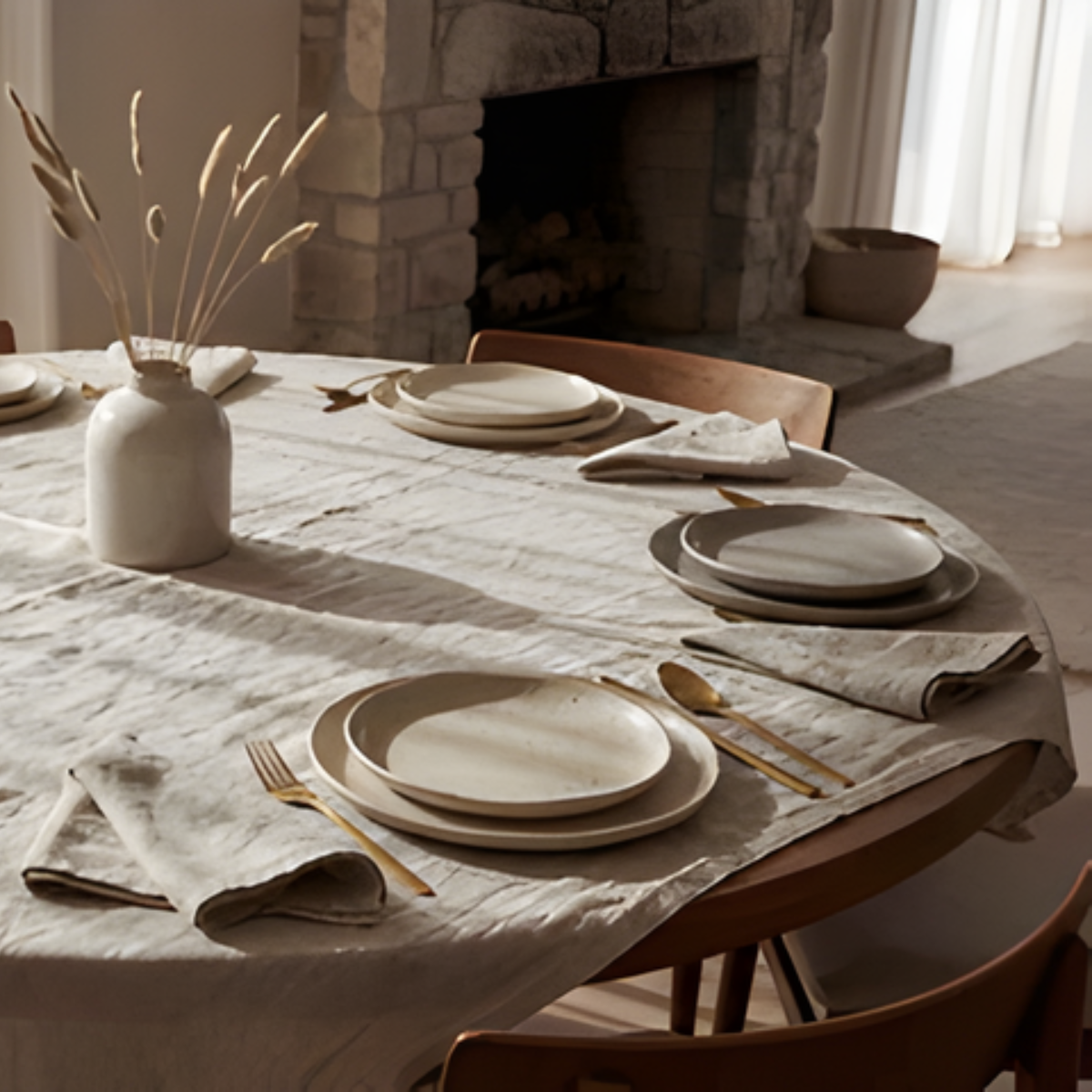
Using linen napkins instead of disposable ones.
Playing soft music that blends into the room.
Opening windows to let fresh air pass through.
These small rituals tell guests that they are invited into a cared for space. They add intention to the moment without formality.
Why softness supports deeper connection
When a space feels gentle, people open up. The combination of texture, lighting, and thoughtful layout encourages vulnerability. Gatherings become meaningful rather than superficial. Friends stay a little longer. Conversations become more honest. Laughter feels fuller.
Soft spaces support emotional closeness. They remind us that comfort is a core part of connection.
A final note from Starch Living
The new social home is not about luxury. It is about warmth, presence, and thoughtful design choices that make people feel held. It shows that hosting does not need to be complicated. It only needs to be intentional.
A soft space becomes a place where memories form naturally, where conversations deepen, and where people feel seen.
Connect with us


